How Environment Affects Animal Health and Performance
- animalosteovt
- Jan 7
- 4 min read
The environment plays a crucial role in the health and performance of animals. From the air they breathe to the space they inhabit, various environmental factors can significantly impact their well-being. Understanding these influences is essential for farmers, veterinarians, and animal lovers alike. This blog post explores how different environmental aspects affect animal health and performance, providing insights and practical examples to help you better care for the animals in your life.
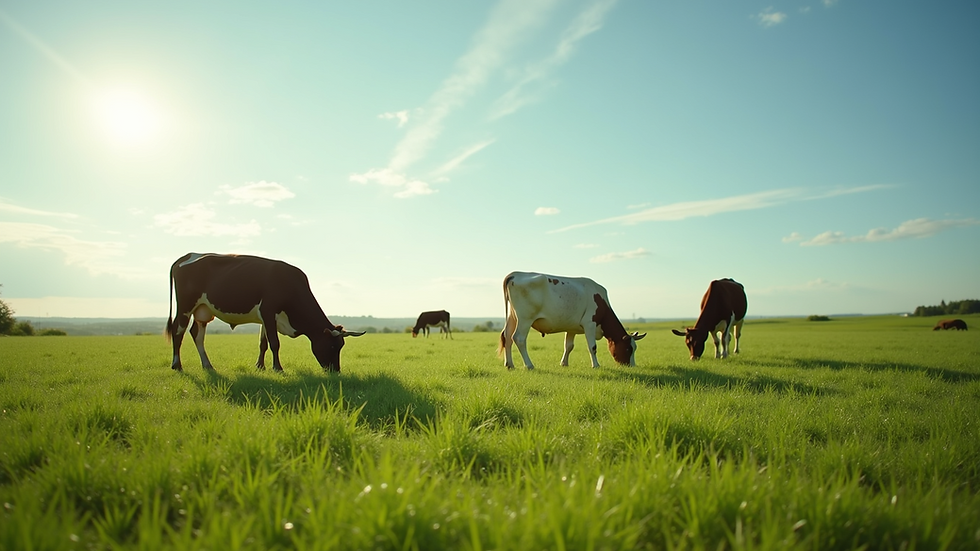
The Importance of Environment in Animal Health
Animals are not isolated beings; they are deeply connected to their surroundings. The environment encompasses various factors, including:
Climate: Temperature, humidity, and weather patterns.
Habitat: The physical space where animals live, including shelter and grazing areas.
Nutrition: The availability and quality of food sources.
Social Structure: The presence of other animals and their interactions.
Each of these elements can influence an animal's health and performance in profound ways.
Climate and Its Effects
Climate is one of the most significant environmental factors affecting animal health. Extreme temperatures, whether hot or cold, can lead to stress and health issues. For example:
Heat Stress: Animals exposed to high temperatures may suffer from heat stress, leading to decreased feed intake, lower milk production, and even increased mortality rates. Cattle, for instance, can experience heat stress when temperatures exceed 80°F (27°C) with high humidity.
Cold Stress: Conversely, cold temperatures can lead to hypothermia and frostbite in animals not adequately sheltered. Young animals, such as lambs and calves, are particularly vulnerable to cold stress.
Habitat Quality
The quality of an animal's habitat directly impacts its health and performance. A well-maintained habitat provides:
Shelter: Protection from harsh weather conditions.
Space: Adequate room for movement and social interactions.
Cleanliness: Reduced exposure to pathogens and parasites.
For example, pigs raised in clean, spacious environments tend to have lower stress levels and better overall health compared to those in cramped, unsanitary conditions.
Nutrition and Food Availability
Nutrition is a critical component of animal health. The quality and availability of food sources can significantly affect growth, reproduction, and overall well-being. Key points include:
Quality of Feed: Animals require a balanced diet rich in essential nutrients. Poor-quality feed can lead to malnutrition and health issues.
Foraging Opportunities: Animals that can graze on diverse pastures often exhibit better health and performance. For instance, sheep grazing on a variety of plants tend to have improved immune responses.
Social Structure and Interaction
Animals are social creatures, and their interactions with others can influence their health. Factors to consider include:
Group Dynamics: Animals that are isolated or kept in stressful social environments may experience increased anxiety and health problems.
Breeding Practices: In some cases, selective breeding can lead to genetic issues that affect health. For example, certain dog breeds are prone to inherited diseases due to a limited gene pool.
The Impact of Environmental Stressors
Environmental stressors can have both immediate and long-term effects on animal health. Understanding these stressors is vital for effective management.
Physical Stressors
Physical stressors include extreme temperatures, inadequate shelter, and poor living conditions. These factors can lead to:
Increased Disease Susceptibility: Animals under stress are more prone to infections and diseases.
Reduced Growth Rates: Stress can hinder growth and development, particularly in young animals.
Chemical Stressors
Chemical stressors, such as pollutants and toxins, can also impact animal health. Examples include:
Pesticides: Exposure to harmful chemicals can lead to reproductive issues and developmental problems in animals.
Heavy Metals: Contaminated water sources can expose animals to heavy metals, leading to serious health complications.
Biological Stressors
Biological stressors include parasites and pathogens that can thrive in poor environmental conditions. For instance:
Parasite Infestations: Animals in unsanitary environments are more susceptible to parasites, which can lead to malnutrition and disease.
Infectious Diseases: Crowded living conditions can facilitate the spread of infectious diseases among animals.
Strategies for Improving Animal Health Through Environmental Management
To enhance animal health and performance, it is essential to implement effective environmental management strategies. Here are some practical approaches:
Providing Adequate Shelter
Ensuring that animals have access to proper shelter can protect them from extreme weather conditions. This includes:
Ventilated Barns: For livestock, well-ventilated barns can help regulate temperature and reduce humidity.
Shade Structures: In hot climates, providing shaded areas can help prevent heat stress.
Enhancing Nutritional Quality
Improving the quality of feed and ensuring adequate nutrition can lead to better health outcomes. Strategies include:
Regular Feed Testing: Testing feed for nutrient content can help ensure animals receive balanced diets.
Diverse Foraging Options: Allowing animals to graze on varied pastures can improve their overall health.
Managing Social Interactions
Promoting healthy social structures among animals can reduce stress and improve well-being. Considerations include:
Group Size: Keeping appropriate group sizes can minimize stress and aggression among animals.
Socialization Opportunities: Providing opportunities for social interaction can enhance mental health.
Monitoring Environmental Conditions
Regular monitoring of environmental conditions can help identify potential stressors. This includes:
Temperature and Humidity Checks: Using thermometers and hygrometers to monitor conditions in barns and pastures.
Water Quality Testing: Regularly testing water sources for contaminants can prevent health issues.
Case Studies: Successful Environmental Management
Several farms and organizations have successfully implemented environmental management strategies to improve animal health. Here are a few examples:
Case Study 1: Sustainable Dairy Farm
A dairy farm in California adopted sustainable practices by providing shaded areas for cows and improving feed quality. As a result, the farm reported:
Increased Milk Production: Cows produced 15% more milk during the summer months.
Reduced Health Issues: The incidence of heat stress-related illnesses decreased significantly.
Case Study 2: Organic Poultry Farm
An organic poultry farm in Oregon focused on providing ample space and natural foraging opportunities for chickens. The outcomes included:
Improved Egg Quality: Eggs produced by free-range chickens had higher nutritional value.
Lower Mortality Rates: The farm experienced a 30% reduction in mortality rates among chicks.
Conclusion
The environment plays a vital role in shaping animal health and performance. By understanding the various environmental factors and implementing effective management strategies, we can enhance the well-being of animals. Whether you are a farmer, veterinarian, or animal enthusiast, recognizing the importance of a healthy environment is key to promoting optimal health and performance in animals.
Take action today by assessing the environmental conditions of the animals in your care and making necessary improvements. Your efforts can lead to healthier, happier animals and better outcomes for all involved.


Comments